

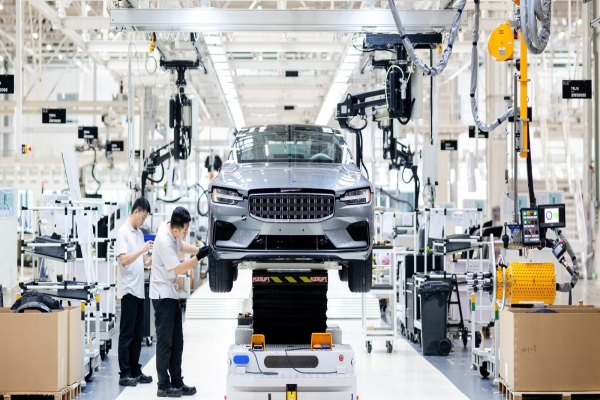
When delving into the realm of 3D printing for automotive parts, it’s crucial to grasp the essential skills and understand their applications. The automotive industry demands precision, durability, and innovation, making 3D printing a game-changer in this domain. From creating intricate prototypes to producing functional components, the versatility of 3D printing enables engineers to explore new design possibilities and optimize manufacturing processes.
One of the key skills in 3D printing automotive parts is proficiency in CAD (Computer-Aided Design) software. This software allows designers to create detailed and accurate digital models of automotive components. Understanding the intricacies of designing for additive manufacturing is essential, as it involves considerations like part orientation, support structures, and material selection.
Another crucial skill is knowledge of different 3D printing technologies, such as FDM (Fused Deposition Modeling), SLA (Stereolithography), SLS (Selective Laser Sintering), and DMLS (Direct Metal Laser Sintering). Each technology has its strengths and limitations, affecting factors like surface finish, mechanical properties, and production speed. Being well-versed in these technologies helps in choosing the most suitable method for each automotive part.
Furthermore, expertise in material science is vital for selecting the right materials for 3D printing automotive parts. Materials like ABS, PLA, nylon, and specialized engineering polymers offer varying properties in terms of strength, heat resistance, and chemical resistance. In metal 3D printing, alloys like stainless steel, aluminum, and titanium are commonly used for their durability and lightweight characteristics.
In terms of applications, 3D printing revolutionizes prototyping, tooling, and end-use part production in the automotive sector. Rapid prototyping allows for quick iteration and validation of designs, reducing time-to-market for new vehicle models. Tooling components like jigs, fixtures, and molds can be 3D printed with intricate geometries, enhancing manufacturing efficiency.
When it comes to end-use parts, 3D printing enables on-demand production of custom components, such as interior trim pieces, brackets, and even functional engine parts. This flexibility in manufacturing contributes to cost savings and customization options for automotive manufacturers and aftermarket suppliers.
In conclusion, mastering the skills of CAD design, understanding 3D printing technologies and materials, and leveraging its diverse applications are key to unlocking the full potential of 3D printing in automotive part production. With Jucheng Precision’s cutting-edge capabilities in additive manufacturing and precision engineering, automotive companies can elevate their production processes and stay ahead in an increasingly competitive industry.
Are you looking for 3D printing services? jucheng Precision provides 3D printing services for automotive parts.
Jucheng Precision offers cutting-edge 3D printing services tailored specifically for automotive parts. Our advanced technology ensures precision and accuracy in every detail, meeting the stringent standards of the automotive industry. With a focus on quality and innovation, we deliver parts that are durable, functional, and optimized for performance. Whether it’s prototyping or production-grade components, our 3D printing services enable rapid turnaround times and cost-effective solutions. Trust Jucheng Precision for your automotive part needs, where expertise meets excellence in additive manufacturing.
