

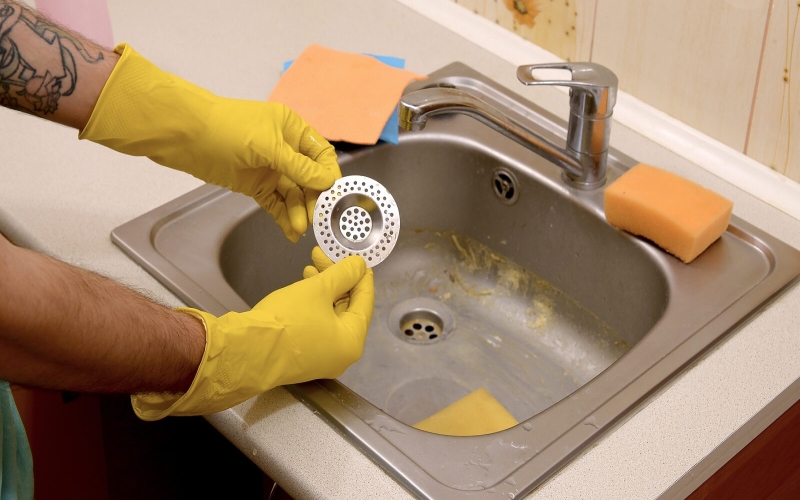
Emergency drain cleaning is a critical service required when conventional methods fail to resolve drain blockages that pose immediate problems to the plumbing system. This urgent response is necessary to prevent water damage, mitigate health hazards, and restore the functionality of your plumbing system swiftly. Emergency situations often arise without warning and can escalate quickly, causing significant inconvenience and potential damage to property.
Understanding the urgency and methods for addressing these issues is paramount for homeowners and property managers alike. This guide will provide essential insights into recognizing, managing, and preventing emergency drain blockages to help maintain a healthy plumbing system.
Common Causes of Drain Blockages
Drain blockages can occur for a variety of reasons, each of which may require a different approach when cleaning. Some of the most common causes include:
- Foreign Objects: Items that shouldn’t be flushed or washed down the drain, such as sanitary products, diapers, and excessive toilet paper, can easily clog pipes.
- Grease and Fat Buildups: Often a result from washing cooking oil and food remnants down the kitchen sink, grease solidifies inside the plumbing and gradually accumulates to restrict water flow.
- Hair Accumulation: In bathrooms, hair can bind with grease and other sticky substances to form substantial blockages in shower and bathtub drains.
- Food Waste: Without adequate garbage disposal, food scraps can accumulate in kitchen drains, leading to stubborn blockages.
- Tree Roots: Roots searching for moisture can infiltrate sewer lines, causing severe blockages and damage. They often crack or displace sections of pipes in their growth.
Understanding these common causes helps in taking preventative measures and recognizing when professional help might be necessary to resolve the issue effectively and prevent future occurrences.
Signs That You Need Immediate Drain Cleaning
Identifying the early signs of a drain blockage can help you address the issue before it escalates into a full-blown emergency. Here are several indicators that suggest you need immediate drain cleaning:
- Water Backing Up: One of the most obvious signs of a clogged drain is water backing up out of a sink, toilet, or floor drain. This usually indicates a blockage somewhere in your plumbing system that needs immediate attention.
- Slow Draining: If your sinks, bathtubs, or showers are draining slower than usual, this is often the first sign of a blockage forming in the pipes. Addressing it early can prevent a more serious blockage.
- Gurgling Sounds: Unusual noises coming from your drains, such as gurgling or bubbling sounds, can indicate trapped air caused by a blockage. These sounds may be noticeable after flushing the toilet or using the sink.
- Foul Odors: Persistent bad smells emanating from drains might be a sign of food, waste, or other decomposing materials stuck in the drain. This can be particularly noticeable in kitchen sinks or bathroom drains.
- Frequent Clogs: If you find yourself frequently clearing clogs in the same fixture, this could indicate a deeper, more chronic issue in your plumbing that requires professional cleaning.
- Overflowing Toilets: Toilets that overflow when flushed or require multiple flushes to clear waste signal a blockage in the main sewer line, which needs immediate professional intervention.
Recognizing these signs and acting swiftly can help mitigate the damage caused by drain blockages and restore your plumbing system to proper function quickly.
DIY Methods for Emergency Drain Clearing
While a professional plumber is often the best option for dealing with emergency drain cleaning, there are several DIY methods you can try to alleviate the problem before help arrives. These methods can be effective for minor blockages and can provide temporary relief from the symptoms of a clogged drain.
- Plunging: A good plunger can often dislodge local blockages in toilets, sinks, and bathtubs. Ensure you use the appropriate plunger type a flange plunger for toilets and a cup plunger for sinks and tubs. Creating a good seal around the drain and applying vigorous plunging action can often clear simple clogs.
- Boiling Water: This method works well for grease buildups in kitchen sinks. Boiling water can melt the grease, allowing it to flush away. However, this method should be used with caution, especially on PVC pipes, which can be damaged by the high temperature.
- Vinegar and Baking Soda: A natural alternative to chemical drain cleaners, the combination of vinegar and baking soda can create a reaction that helps dislodge blockages. Pour half a cup of baking soda followed by half a cup of vinegar down the drain, wait 30 minutes, then follow with hot water.
- Manual Drain Snake: A manual drain snake can reach deeper into the plumbing than a plunger can. It’s useful for physically breaking up clogs or extracting blockage materials like clumps of hair or built-up soap residue.
Despite these methods, if the blockage persists, it could be indicative of a more serious plumbing issue. In such cases, calling a professional plumber is the best option. They have specialized tools and expertise to diagnose and resolve plumbing emergencies effectively, ensuring your system operates smoothly and prevents potential damage. A professional can handle stubborn or complex blockages, carry out repairs, and offer long-term solutions such as pipe relining to maintain the integrity of your plumbing infrastructure.
Professional Drain Cleaning Techniques
When DIY methods are insufficient for clearing a drain blockage, it’s time to call in the professionals. Professional plumbers use advanced techniques that go beyond the capabilities of household tools, ensuring a thorough clean that can prevent future issues. Here are some of the key techniques used by professionals:
- Motorized Drain Snakes: These are more powerful than manual drain snakes and can cut through tougher blockages, including tree roots and hardened debris. They are especially useful for deeper, more stubborn clogs in main sewer lines.
- High-Pressure Water Jetting: Also known as hydro jetting, this method uses high-pressure water streams to blast away blockages and buildup within pipes. It’s highly effective for removing grease, sludge, and other residues that can line the pipe walls.
- Video Pipe Inspection: Professionals may use video inspection tools to diagnose the exact nature and location of the problem within the drain. This technology allows plumbers to visually inspect the inside of drain pipes and identify issues that are not immediately apparent from the outside.
- Chemical Treatments: For certain types of blockages, professional-grade chemical cleaners may be used to dissolve or dislodge the debris. These chemicals are more potent than those available over-the-counter and should be handled by professionals to avoid damage to your plumbing or the environment.
Using these professional techniques, plumbers can ensure that your drains are cleaned effectively and safely, minimizing the risk of future clogs and potential damage from overflows.
Long-Term Solutions: The Role of Pipe Relining
For homes and buildings experiencing frequent drain issues, pipe relining offers a long-term solution that can restore the integrity of plumbing without the need for extensive excavation. Pipe relining is a method where a new pipe lining is created within the existing pipe. This lining is usually made from a resin material that hardens inside the old pipe, effectively creating a “pipe within a pipe.”
- Non-Invasive Technique: Unlike traditional pipe replacement, relining does not require digging up large sections of your yard or flooring, which can be disruptive and costly. It’s an ideal solution for repairing pipes that are under buildings, gardens, or other hard-to-reach areas.
- Extended Lifespan: The new lining is resistant to corrosion, cracks, and tree root intrusion, significantly extending the life of your plumbing system.
- Cost-Effective: Because it requires less labor and fewer materials than traditional methods, pipe relining can be a more cost-effective solution in the long term.
- Quick and Efficient: The process of pipe relining can often be completed in a single day, depending on the scope of the project, minimizing disruption to your household or business.
Pipe relining is a practical and effective way to address recurring plumbing problems, ensuring your drains remain clear and functional for many years to come. By investing in this technology, you can avoid the frequent costs and hassles associated with emergency drain cleanings and enjoy a more robust plumbing system.
Conclusion
Emergency drain cleaning is an essential aspect of maintaining a healthy plumbing system in any home or building. Recognizing the early signs of a blockage and responding promptly can prevent minor issues from becoming major emergencies. While DIY methods can provide temporary relief, the expertise of a professional plumber is invaluable in diagnosing and resolving more complex drain issues. Techniques such as motorized drain snakes, high-pressure water jetting, and video pipe inspections allow professionals to effectively clear blockages and ensure the smooth operation of your plumbing system.
Furthermore, for long-term protection against recurring problems, pipe relining offers a modern solution that fortifies your pipes from the inside, significantly extending their lifespan without the need for disruptive excavation work. Investing in such preventative and corrective measures not only saves on future repair costs but also maintains the integrity and efficiency of your plumbing infrastructure.
Ultimately, understanding the causes, recognizing the signs, and knowing when to call in the professionals can help you manage your plumbing system more effectively, ensuring it remains functional and robust for years to come. Whether addressing an immediate emergency or planning for the future, the key to effective drain management lies in timely intervention and professional upkeep.
