

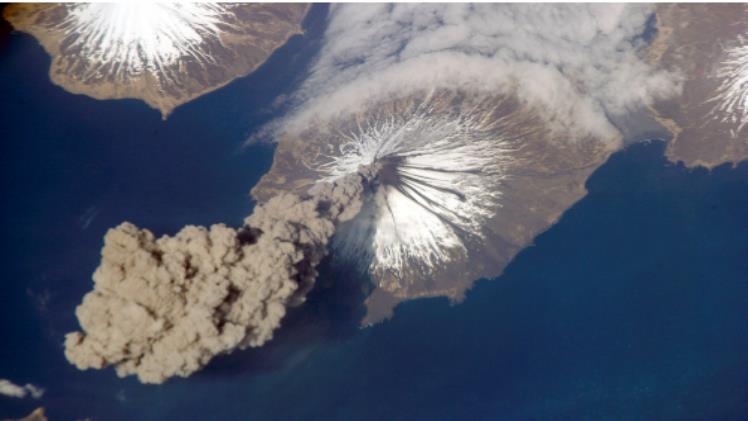
Imagine a silent observer in the sky, a technological marvel known as a satellite camera. This digital sentinel does not rest; it does not blink, continuously surveying the expanses of our planet with an unerring gaze.
Now, let us venture towards the heart of nature’s explosive secrets – the majestic and fearsome volcanoes. These natural marvels are a spectacle of beauty and terror, their plumes of smoke and rivers of molten rock painting a captivating yet scary picture. Unpredictable and potent, they hold secrets deep within their fiery chambers that scientists have strived to understand for centuries.
In steps, a satellite camera brings a fresh perspective to this age-old puzzle. By using satellite cameras for volcano monitoring, we are enabling a revolution. Picture a thermal lens poised in orbit, capable of piercing through the cloak of volcanic smoke to capture images of the fiery maw below. These satellite cameras, peering into the heart of the volcanoes, capture thermal images that help us comprehend and predict the unpredictable. Aided by these celestial observers, the mysteries surrounding volcanic activity begin to unravel.
The Intricate Technology of Satellite Cameras
With state-of-the-art technology, the satellite camera for monitoring volcano activity stands at the forefront. But what fuels these magnificent machines, you may ask? The answer lies in the intricate fusion of advanced optics, high-speed data processing, and precision engineering.
To appreciate the satellite camera uses, imagine observatories whirling around our planet, equipped with high-resolution thermal sensors that capture heat signatures from the Earth’s surface. Like an artist painting a thermal portrait of a volcano from the cosmos, each sweep of the satellite camera lays down layers of data, crafting a masterpiece in the form of thermal images.
Monitoring volcanoes is not merely about observing a fiery spectacle. It is about extracting valuable data from the heart of these natural phenomena. Satellite cameras, with their thermal sensors, read the thermal signatures emitted by the volcanoes. Translated into vibrant heat maps, these readings offer a detailed picture of the volcano’s state.
In essence, the satellite camera for volcano monitoring has redefined our volcano monitoring techniques. It offers a precise, unseen perspective, breaking through the barriers that terrestrial observations may encounter. As a result, monitoring volcanoes as an activity takes on a whole new dimension – precise, real-time, and comprehensive.
As we continue to explore the various satellite camera uses, we are set to unlock more secrets hidden beneath the fiery peaks, redefining how we interact with our planet’s explosive wonders.
Case Study
One unforgettable instance of satellite camera uses was monitoring the Kilauea volcano in Hawaii in 2018. The stage was set – the satellite camera, our silent observer, was in place, ready to witness the volcano’s wrath. As Kilauea roared to life, the satellite camera sprang into action. “Can satellites detect volcanic eruptions?” you may wonder. As the events unfolded, it became evident they could, and with remarkable precision.
Day by day, the satellite camera captured the thermal imagery of the unfolding drama. The heat maps transformed from hues of calm blues to fiery reds and yellows, a clear sign of the impending eruption. These thermal portraits relayed back to Earth in real-time, allowing scientists to monitor and prepare for the devastating explosion that was to follow. Thus, what might have been a catastrophic surprise was instead a managed crisis, with the local population safely evacuated before the explosive climax.

Benefits and Potential Impacts
The case of Kilauea offers just a glimpse into the incredible potential of a satellite camera for volcano monitoring. But what does a thermal camera do for a volcano, indeed? Beyond the science, the implications are vast and profound.
With the evolution of the volcano monitoring system, we have moved beyond merely observing volcanic activity to predicting and preparing for it. “How can satellite help predict volcanic eruptions?” — this question echoes in the minds of many. The answer lies in the real-time thermal data captured by the satellite cameras, enabling scientists to anticipate changes in volcanic activity and forecast potential eruptions.
By identifying the early warning signs, the satellite camera for volcano monitoring is a life-saver. It provides us the precious time needed to evacuate vulnerable populations, potentially saving thousands of lives from volcanic disasters.
But the benefits extend beyond immediate disaster management. These cameras are unveiling secrets about our planet’s climate system. Volcanic eruptions emit large amounts of greenhouse gases and volcanic dust, influencing global temperatures and weather patterns. Monitoring these emissions can enhance our understanding of climate change, thereby transforming our approach to environmental conservation.
A satellite camera for volcano monitoring is more than a technological marvel. It is a guardian, a climate sentinel, and a window into the heart of our living planet.
Overall
In the journey we’ve embarked upon today, we’ve explored the cutting-edge technology behind a satellite camera and its crucial role in volcano monitoring. We’ve discovered how thermal imaging monitors volcanoes, capturing their explosive temperament and transforming it into data-rich thermal portraits. We’ve seen the potential of these tools through the lens of a real-life drama, witnessing the gripping saga of Kilauea, where a potential catastrophe was averted thanks to the vigilant eyes in the sky.
But more than just the marvel of the technology, we’ve delved into the profound implications of a satellite camera for volcano monitoring. From saving lives to transforming our understanding of our climate, these celestial guardians are reshaping our relationship with Earth’s most explosive wonders.
In light of these technological advancements, shouldn’t we invest more in satellite technology for environmental monitoring? Or better yet, how do you envision using satellite cameras in other fields to revolutionize our understanding of the world? As we’ve seen, they can pierce through the veil of uncertainty, revealing the unseen and illuminating our path forward. So let’s continue the conversation. How is thermal imaging used to monitor volcanoes, and where else could we apply this groundbreaking technology?
