


Logistics management is all about cultivating seamless efficiency and collaboration. It will optimize the supply chain operations. With the right strategies and technology, managers can accomplish the following:
-
Streamline processes
-
Forge partnerships
-
Manage inventory
-
Design networks
These might enable maximum productivity. This article provides vital tips to boost logistics performance. It will be achieved through improved efficiency and collaboration.
Streamlining Operations with Technology and Lean Principles
The first step towards efficient logistics is streamlining operations. It is done by cutting waste and enhancing transparency.
Embracing Logistics Technology
-
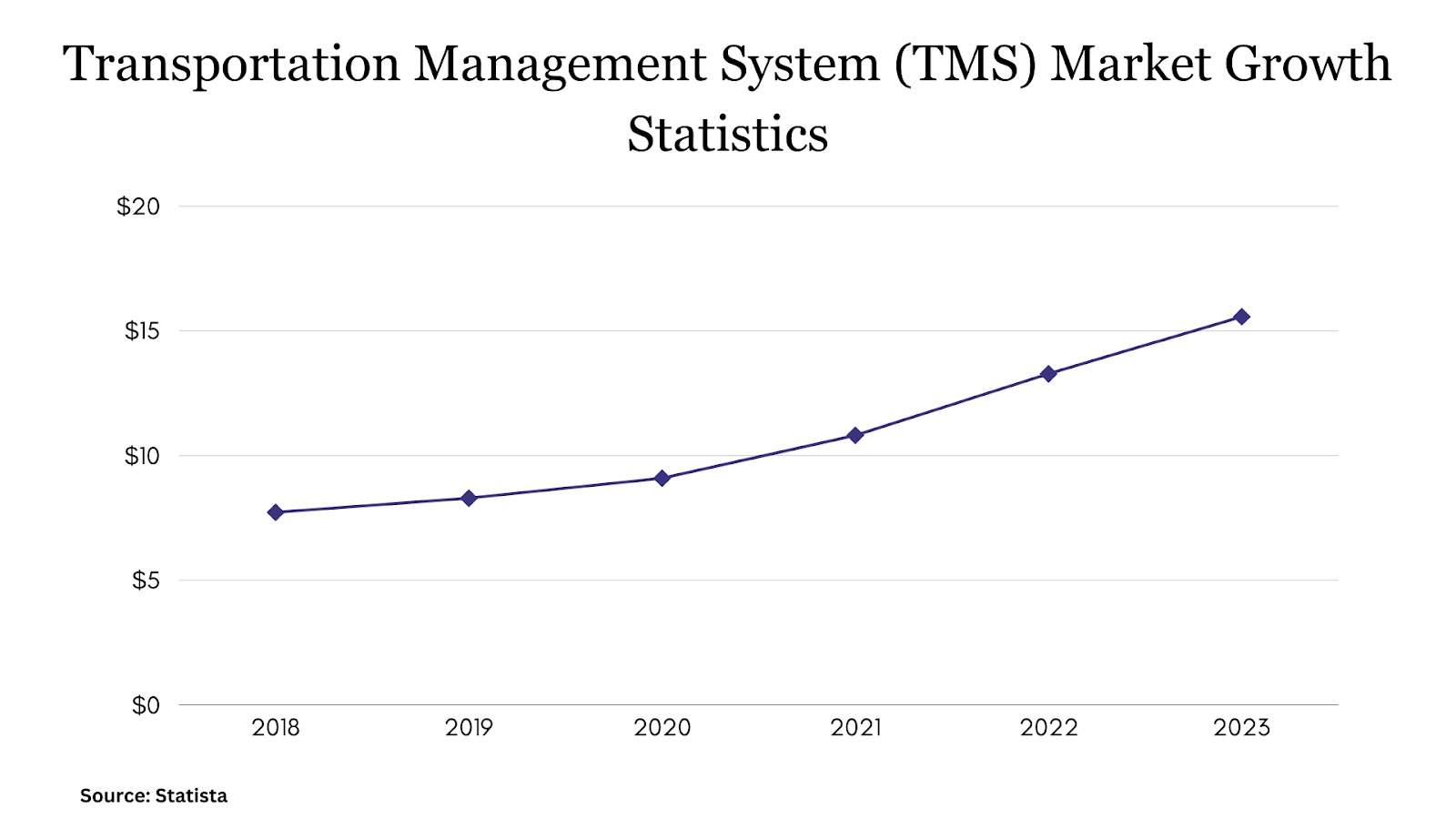
Advanced TMS and WMS provide real-time inventory tracking and data analytics. They can help users make informed decision-making. TMS stands for Transportation Management Systems. Meanwhile, WMS means Warehouse Management Systems. 94% of supply chain leaders consider such digital transformation crucial for success.
-
Solutions and tools offer dynamic route planning and shipment visibility. Common examples are GPS, RFID, and routing optimization tools. 89% of logistics companies are investing in such real-time tracking technologies.
-
Cloud-based logistics platforms enable collaboration by allowing partners access to shared data dashboards. This leads to better-coordinated strategies.
Applying Lean Methodologies
-
Lean principles originating from Toyota’s famed production system help cut non-value activities. They also streamline logistics. LeanCor reports that lean supply chains can reduce operational costs by 10-15%.
-
Techniques like Just-in-Time (JIT), Kaizen continuous improvement, and Kanban scheduling optimize workflow. Logistics scheduler software cuts waste and improves efficiency. The Aberdeen Group found up to 47% shorter lead times for companies adopting lean philosophies.
-
Use cross-docking and merging less-than-truckload (LTL) shipments into fuller truckloads. These methods save on transportation legs through optimized load building. This directly boosts bottom lines.
Fostering Collaborative Logistics Partnerships
Forge information-sharing partnerships across the end-to-end supply chain. It fosters collaboration and drives shared success.
Collaborating with Suppliers and Vendors
-
Have close supplier relationships through Vendor Managed Inventory (VMI). It enables joint demand planning and forecasting. McKinsey analysis shows 20-30% procurement cost reductions are possible through such collaboration.
-
Regular communication via CRM channels and shared access to inventory data leads to higher supply chain agility. 64% of supply chain professionals consider this collaboration vital.
Creating Cross-Functional Teams
-
Cross-functional teams should consist of logistics, sales, marketing, and finance departments. They foster internal synergy through unified goals, especially with the right scheduling. Companies leveraging such collaborative structures enjoy 1.9 times higher customer satisfaction levels.
-
Clear communication can be enabled by purpose-built SCM broker tms software. Coupled with adherence to project management best practices, they nurture collaboration. PMI research shows 97% of organizations confirm such solutions multiply impact.
|
Embrace Technology |
Apply Lean Methodologies |
|
Real-time tracking |
Eliminate waste |
|
Data analytics |
Shorter lead times |
|
Dynamic route optimization |
Just-in-Time workflow |
Boosting Efficiency via Inventory Management
Monitoring and optimizing inventory levels is imperative for lean and collaborative logistics.
Demand Forecasting for Lean Inventory
-
Accurate demand forecasts enable lean inventory policies by predicting requirements. This data came from the Institute of Business Forecasting and Planning. They say that precise forecasts deliver over 15% profitability gains.
-
The $5.5 billion global forecasting solutions market keeps growing. Technology investments offer returns through inventory optimization.
Just-in-Time Inventory Management
-
Just-in-Time (JIT) inventory management aligns supply with demand to cut waste. Toyota, a pioneer, realized over 30% inventory cost reduction through JIT.
-
By having buffer inventory and stagewise replenishment, JIT enables lean operations. As per The Manufacturing Institute, inventory holding costs are reduced by 20-50%.
Optimizing Networks through Route Planning and Warehouse Management
Logistics infrastructure and network design optimization is pivotal. This is true especially for efficient operations and collaborating seamlessly with partners.
Route Optimization Saves Mileage
-
Route optimization tools use algorithms to plan delivery sequences and reduce mileage. This leads to lower fuel usage, quicker turnarounds, and fewer emissions.
-
GPS tracking enables real-time route adjustments, providing logistics agility to handle dynamic demands.
Warehouse Management Boosts Productivity
-
Warehouse management systems (WMS) schedule staff and organize inventory. They also streamline picking/packing via automation. This results in satisfied customers and partners through consistent timely order fulfillment.
-
Sophisticated WMS solutions also provide real-time inventory visibility for improved logistics collaboration.
Incorporating Green Initiatives
Climate consciousness is also growing globally. Thus, green logistics focused on sustainability provides an opportunity to boost efficiency. And it paves the road to collaborate industry-wide.
Eco-Friendly Packaging & Optimized Loads
-
Analyze packaging specs and truck loading patterns. It allows companies to maximize load space use and reduce trips. This bonds carriers and customers in a shared sustainability mission.
-
Packaging materials improve green credentials for both logistics partners and end-consumers. Here are examples of environmentally friendly packaging:
-
Eco-friendly recycled cardboard
-
Corrugated bubble wrap
-
Cornstarch packaging
-
Mushroom packaging
-
Seaweed packaging
-
Organic ecological textiles
-
Edible films
-
Biodegradable packaging peanuts
Alternative Delivery Models
-
Curbside pickup and locker delivery services reduce redelivery attempts. They also foster collaboration between logistics companies and their customers.
-
Shared truck load models also optimize loads across carriers and align sustainability incentives.
FAQs About Improving Logistics Performance
How can I facilitate better collaboration with logistics partners?
Build relationships grounded in trust and transparency through proactive communication and data sharing. Jointly develop contingency plans and project timelines.
What are some key inventory management challenges and solutions?
These are common challenges resolved through investments in forecasting tools:
-
Inaccurate demand forecasts
-
Inefficient purchasing
-
Lack of inventory visibility
Meanwhile, the forecasting tools we recommend using are the following:
-
JIT inventory
-
Safety stock buffers
-
Real-time tracking technology
Can sustainability be feasibly incorporated without increasing logistics costs?
Yes, the following methods can be done without raising the supply chain cost long-term:
-
Optimized transport routing
-
Eco-friendly packaging
-
Shared truck loads
-
Load consolidation
-
Using reverse logistics for reuse/recycling
These methods can improve sustainability metrics.
Key Takeaways to Cultivate Logistics Success
Logistics leaders can craft efficient, resilient, and agile supply chains using the following:
-
Technology
-
Lean processes
-
Collaborations
-
Inventory optimization
-
Green initiatives
Each company’s journey is unique. But putting these vital tips into practice paves the path toward operational excellence.
Constantly evaluate or study logistics performance. And seek new efficiency heights in tandem with partners. That way, the road ahead leads to new innovations and mutually beneficial success.
