

Plasma donation is one of those acts that quietly supports modern healthcare without demanding much attention. Most people know about blood donation, but fewer understand plasma and the critical role it plays in saving lives every day. Behind hospital treatments, emergency responses, and long term therapies, donated plasma serves as a foundational resource. It supports patients with immune disorders, trauma injuries, burns, and rare medical conditions that rely on plasma based medicines.
Unlike a dramatic moment in an emergency room, plasma donation usually happens in calm, clean settings where everyday people choose to give part of themselves so others can live healthier lives. That choice carries both scientific significance and human meaning, connecting donors to patients they may never meet but deeply impact.
What Plasma Is and Why It Matters
Plasma is the liquid portion of blood that carries cells, proteins, nutrients, hormones, and antibodies throughout the body. It makes up more than half of total blood volume and plays a central role in immune defense and clotting. While red blood cells transport oxygen, plasma acts as the delivery system that keeps everything moving and balanced.
Doctors use plasma to create life saving therapies. These treatments help people with hemophilia manage bleeding, support burn victims during recovery, and strengthen immune systems compromised by disease or medical treatments. Without a steady supply of plasma, many modern therapies would not exist.
Plasma cannot be manufactured synthetically. It must come from human donors. This reality makes donation essential rather than optional. Every contribution directly supports ongoing medical care and research.
How Plasma Donation Works
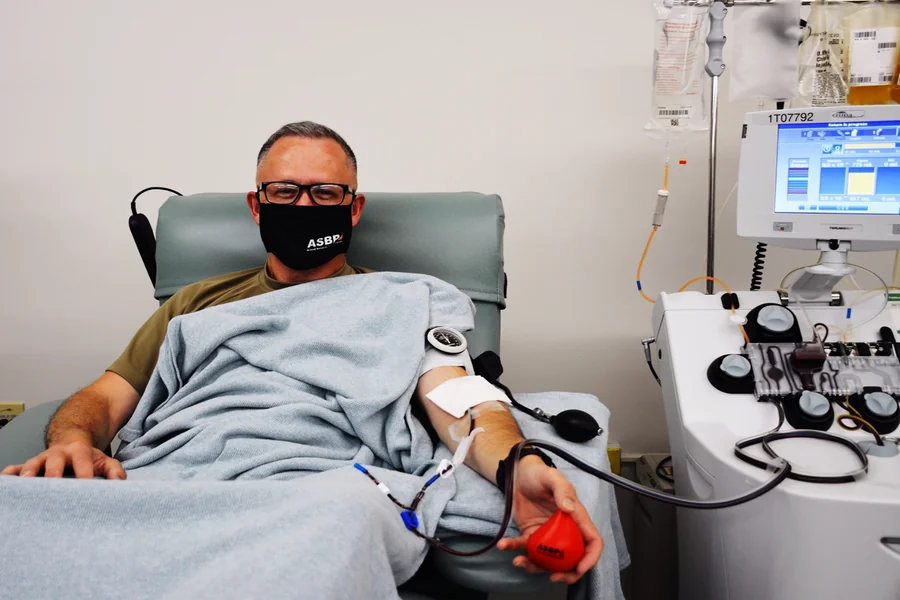
The process of plasma donation is called plasmapheresis. During the procedure, blood is drawn from the donor, plasma is separated using specialized equipment, and the remaining components are returned to the body. This allows donors to give plasma more frequently than whole blood because red cells are not removed.
Most donation appointments last between one and two hours. Donors relax, read, or watch shows while the process takes place. Medical professionals monitor each session carefully to ensure safety and comfort. Modern equipment and strict protocols make plasma donation a low risk procedure for healthy individuals.
Before donating, individuals complete health screenings that include questions about medical history, lifestyle factors, and recent travel. These steps protect both donors and recipients, ensuring that donated plasma meets high safety standards.
Why People Choose to Donate Plasma
Motivations for plasma donation vary. For some, it is a deeply personal choice shaped by seeing a loved one benefit from plasma based therapy. Others are driven by a desire to contribute to their community in a meaningful way. There are also donors who appreciate the structure and routine of regular appointments, seeing donation as a steady way to help.
In some regions, donors receive compensation for their time. This often helps cover transportation or personal expenses and can make donation more accessible for people who might not otherwise participate. While compensation is not the primary reason most donors cite, it can remove practical barriers and support consistent participation.
Stories from donors often reflect a quiet pride. They know their time matters. They understand that somewhere, a patient is relying on plasma to manage daily life or survive a critical moment.
Health and Safety Considerations
Plasma donation centers operate under strict regulatory oversight. Donor safety is a top priority, and procedures are designed to minimize risk. Trained staff monitor vital signs and respond quickly to any discomfort.
Hydration and nutrition play important roles in a smooth donation experience. Donors are encouraged to drink water, eat protein rich meals, and rest well before appointments. Following these guidelines helps reduce fatigue and supports faster recovery.
After donation, most people return to normal activities the same day. Mild tiredness can occur, but serious side effects are rare when guidelines are followed. Regular donors often report that their bodies adjust over time, making the process easier with each visit.
The Growing Demand for Plasma
Advances in medicine continue to increase the demand for plasma derived therapies. As diagnostic tools improve, more conditions are identified that can benefit from plasma treatments. Aging populations and expanded access to healthcare also contribute to rising needs.
This growing demand means donation centers must continually recruit and retain donors. Consistency is critical. Plasma based medications require stable supply chains, and shortages can disrupt patient care. When donors commit to regular visits, they help stabilize this system and support reliable treatment availability.
In communities where donation participation is strong, hospitals and clinics benefit from improved access to essential therapies. This connection between donor commitment and patient outcomes highlights the collective impact of individual choices.
Plasma Donation and Community Impact
Plasma donation strengthens local healthcare ecosystems. Donation centers create jobs, support medical research, and partner with healthcare providers to ensure efficient distribution. The presence of these centers often reflects broader investment in public health infrastructure.
For donors, participating creates a sense of belonging. Many centers foster supportive environments where staff recognize regular donors and build relationships over time. This sense of community reinforces commitment and encourages new donors to get involved.
In places like plasma donation in Salt Lake City, participation reflects a broader culture of civic engagement and health awareness. Donors there contribute not only to national supply chains but also to a shared responsibility for community wellbeing.
Addressing Common Myths and Misunderstandings
Despite its importance, plasma donation is sometimes misunderstood. One common myth is that donating plasma weakens the immune system. In reality, the body replenishes plasma quickly, and healthy donors maintain normal immune function.
Another misconception is that plasma donation is painful. While donors feel a needle insertion similar to blood donation, most report minimal discomfort during the procedure. Modern equipment and trained staff ensure a controlled and comfortable experience.
There is also confusion about eligibility. Many people assume they cannot donate due to age or minor health conditions. Eligibility criteria vary, and donation centers provide clear guidance. Interested individuals are encouraged to ask questions rather than self exclude.
Ethical Oversight and Transparency
Ethical standards guide plasma donation programs. Regulations ensure informed consent, donor privacy, and transparent practices. Donors receive information about how their plasma will be used and what to expect during the process.
These safeguards protect trust. When donors feel respected and informed, they are more likely to return and recommend donation to others. Transparency also supports public confidence in plasma based therapies and medical research.
Ongoing oversight helps adapt practices as science evolves. New testing methods, improved equipment, and updated guidelines continue to enhance safety and effectiveness.
How Plasma Supports Medical Innovation
Beyond immediate patient care, donated plasma fuels medical research. Scientists use plasma proteins to develop new therapies and improve existing ones. These innovations lead to better outcomes for patients with rare and complex conditions.
Clinical trials often depend on reliable plasma supplies. Breakthroughs in immunology, neurology, and trauma care frequently trace their origins back to donated plasma. Donors contribute not only to current treatments but also to future possibilities.
This connection between everyday donation and long term medical progress underscores the broader value of participation. Each session supports a chain of care that extends far beyond the donation center.
Encouraging a New Generation of Donors
Educating younger audiences about plasma donation is essential for sustainability. Schools, community groups, and healthcare organizations play key roles in sharing accurate information and encouraging participation.
Digital platforms also help. Social media, online scheduling, and virtual education make donation more accessible and appealing. When people see peers sharing positive experiences, barriers diminish and curiosity grows.
Building a diverse donor base improves resilience. Different plasma proteins and antibody profiles support varied patient needs. Inclusive outreach ensures that plasma therapies reflect the populations they serve.
A Simple Act With Lasting Impact
Plasma donation is not dramatic or glamorous. It does not involve headlines or public ceremonies. Yet its impact is profound. Donors give time, comfort, and compassion in a way that directly supports human life.
Whether someone donates once or becomes a regular participant, each contribution matters. In a healthcare system that depends on shared responsibility, plasma donation stands as a powerful example of how individual actions support collective health.
As medical science advances and demand continues to grow, plasma donors remain essential partners in care. Their quiet commitment ensures that patients receive the therapies they need, when they need them, and with hope for the future.
