

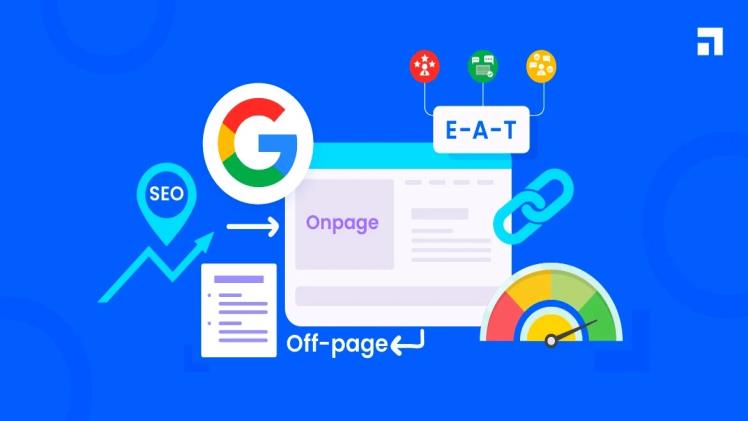
Link analysis has become an essential part of SEO, but what is it? In a nutshell, link analysis is the process of using data to analyze the relationships between web pages and rank them accordingly. It involves analyzing metrics such as backlinks, internal links, and external links to determine how notable a web page might be. Put simply, link analysis is what helps search engines determine what web pages are most relevant and important to users. So, if you’re trying to up your SEO game, link analysis is a great place to start!
Link analysis can also be used to identify what other websites may influence yours, what content is most popular in your industry, and what kind of tactics competitors are using to gain more traffic. Link analysis allows search engine algorithms to identify which pages are most relevant to a query and what content should be displayed. In short, the better your link analysis, the higher your chances of appearing on those coveted SERPs! All of this information can help give you a clearer picture of what needs to be done to effectively optimize your website and gain more visibility. So what are you waiting for? Get out there and start sniffing around – link analysis is the key to SEO success!
Link Analysis: The Key to SEO Success
Link analysis is a critical tool for SEO success. It’s like walking into a dark room without a flashlight: You might think you know what’s in there, but it’s hard to see clearly until you have the right tools. Link Analysis allows you to “turn on the lights” and understand the connections between different sites, so you can understand how to get your content seen by the right people.
Link Analysis provides valuable insights into your competitor’s link-building strategies, allowing you to evaluate their success and tweak your efforts accordingly. It will also reveal opportunities for backlinks – which are essential for SEO success. By understanding who is linking to your competitors, you can target the same websites and publications for backlinks. In short, Link Analysis is an invaluable tool for any successful SEO strategy – so be sure to make it part of yours!
Steps for a Competitive Link Analysis
Link analysis is an essential part of any digital marketing strategy. By analyzing your competitors’ links, you can gain insights into their strategies and use this knowledge to develop a successful plan for your business. Here’s how to get started with competitive link analysis:
Identify Your Competitors – First off, take inventory of the companies that you consider to be your competitors. Take a look at their website and blog, as well as their presence on social media, to get an understanding of who they are and what services or products they provide.
Analyze Their Link Profile – Once you’ve identified your competitors, take a deep dive into their link profile. Look at the number of links they have, the link sources (such as industry blogs or government sites), and any other metrics that could give you insight into their strategy.
Compare Your Link Profile – After you’ve taken a look at your competitor’s link profile, compare it to your own. Are there any gaps that need to be filled in? Are there any link sources that you haven’t tapped into yet? This step will give you an idea of what areas need to be improved and what strategies may already be working for your competitors.
Look For Opportunities – As you perform your competitive link analysis, look for ways to capitalize on opportunities. Are there any links that could be earned through promotion or collaboration? Are there any link sources that you can access through partnerships or sponsorships?
Measure Your Success
Finally, track the success of your competitive link analysis efforts. Look at metrics such as traffic and engagement to determine if your strategies are working and identify areas for improvement. With a little bit of effort, you can use competitive link analysis to get the upper hand on your competition and take your digital marketing efforts to the next level.
Now that you know the basics of competitive link analysis, it’s time for you to put them into action! So what are you waiting for? Get out there and start analyzing those links! You’ll be surprised by what you can learn. Good luck!
Types of Links and How They Help Your Website Rank Higher
When it comes to SEO, links are like the power couple of superhero movies. If you want your website to be a box office smash hit and rank higher on SERPs, you need both of them working together in harmony. Let’s get familiar with the different types of links that can help make this happen:
- Backlinks: Also known as inbound links, these are links from other websites back to yours. They’re like the bat signal for search engines and show them that your website is popular and worth ranking highly.
- Internal Links: These are links that point to other pages on your website, providing readers with more relevant information and helping them stay longer on your site. Having a lot of internal links will show Google that your content is interconnected and easy to navigate, which can help you climb higher in search engine rankings.
- Outbound Links: Outbound links are the Robin to backlinks’ Batman—they might not be as flashy, but they can still help your website rank higher in SERPs.
These are links from your website to other websites, and they demonstrate to search engines that your content is trustworthy and relevant. So now you know the different types of links that can help your website rank higher on SERPs.
Factors that Affect Link-Building Strategies
As with any strategy, there are no one-size fits all approach when it comes to link-building in SEO. So how do you decide what’s best for your website? Well, there are a few key factors that can help guide your decisions and ensure success.
- First, consider the type of content you’re creating; different types of content require different link-building strategies. For example, if you’re creating blog posts, your approach might be a bit more aggressive than if you were writing an in-depth white paper.
- Next, consider the quality of the links you want to build; low-quality links can harm your SEO efforts, so it’s important to focus on getting quality links from reputable websites.
- Finally, don’t forget about the geography of your target audience; if you’re targeting a certain country or region, it can be helpful to focus on building links from websites in that area as well.
Ultimately, link-building is an art, not a science. With these factors in mind, you should be able to create a successful link-building strategy that works for your website.
Benefits of a Link Analysis
The benefits of link analysis are far-reaching. Link analysis can help you take your SEO game to the next level. By understanding the relationships between different web pages:
- Link analysis can give you insights into the performance of your website and competitors’ websites – all in one powerful tool.
- It can also show which sites are linking to yours, giving you an idea of how popular your site is.
- And, by understanding the anchor text and link velocity of incoming links, you can get a better idea of how to improve your visibility online.
Link analysis is an invaluable tool for any serious SEO professional. So what are you waiting for? Get analyzing!
How many links do you need for your website?
Are you wondering how many links you need for your website? How much is too little, and how much is too many?
Well, the answer to this question isn’t as simple as one might think. It all depends on the purpose of your website and what kind of content it holds. Let’s take a look at some tips to help you decide on the right number of links to make your website successful.
- First off, it’s important to make sure that all of the links on your website are relevant and useful for visitors. You don’t want to overload them with too many unrelated links, or they might just get confused and leave your site.
- Additionally, try to keep the number of links on each page to a minimum. Too many links can detract from the focus and make it hard for visitors to find what they’re looking for.
- Finally, you’ll need to consider how you want your website to be organized and structured. This will help determine how many links are necessary for navigation between the different pages. It’s also a good idea to create an easy-to-follow link hierarchy, ensuring that the most important links are at the top and the less important ones are further down.
FAQ’s
Q: What types of links are important for SEO?
A: Search engines look at the quality, quantity, and type of links when analyzing websites. Quality is determined by factors such as relevance, authority, trustworthiness, and freshness. Quantity refers to how many links your website has in comparison to others competing for a given keyword or phrase. Link types include internal (links from within your website) and external (links from other websites).
Q: How does link analysis affect SEO?
A: Link analysis is one of the ways search engines determine rankings in SERPs. By analyzing multiple factors, such as quality, quantity, and type of links, search engines can more accurately determine which websites should rank for a given keyword or phrase.
Q: What are some best practices when it comes to link analysis?
A: The key to successful link-building is creating high-quality links that point back to your website. This includes ensuring the linking page has relevant content and a good reputation among other websites. Additionally, avoid using shady tactics like buying or selling links and using exact match anchor text excessively. Quality over quantity is also important—it’s better to have fewer, high-quality links than a large quantity of low-quality links. Finally, be sure to monitor your link profile and make any necessary changes to ensure the best results.
Q: What tools can I use for link analysis?
A: There are several tools available that can help you analyze your link profile and make adjustments as needed. Some popular options include Google Search Console, Ahrefs, Semrush, and Majestic SEO. These tools will provide insight into the quality, quantity, and type of backlinks pointing to your website. This information is invaluable when it comes to optimizing your website for search engine rankings.
Q: Is link analysis something I should do myself or hire a professional?
A: The answer to this question depends on your level of expertise and the amount of time you have to devote to link analysis. If you’re a beginner, it might be best to hire a professional to handle link analysis for you as they are experienced in optimizing websites for search engines. However, if you’ve worked on SEO in the past and feel confident enough to do your link analysis, then you can certainly give it a try. Ultimately the choice is yours! By understanding how link analysis affects SEO success, you can make sure that your website is reaching its full potential. With the right strategy and use of tools like Google Search Console, Ahrefs, and Semrush, you can get the most out of your link-building efforts.
Final Words
In conclusion, link analysis is key to SEO success. By understanding and evaluating the various factors involved, website owners can leverage this powerful tool to improve their search engine rankings and reach their desired audience. Furthermore, for those aiming to enhance their online presence, especially on platforms like Twitch, Streamoz.com offers services like buying followers, plays, and likes to boost visibility. There are plenty of tools available online that can help with link analysis. These tools not only provide insight into the number and quality of links on a website but also provide valuable information about potential opportunities for gaining new links and improving the overall SEO of a webpage. Taking the time to analyze these factors is essential to achieving search engine optimization success. By understanding how link analysis works and taking advantage of the available tools, including Streamoz.com for social media growth, website owners can be sure that their websites are up-to-date and optimized for maximum success in the ever-evolving world of search engine optimization.
