

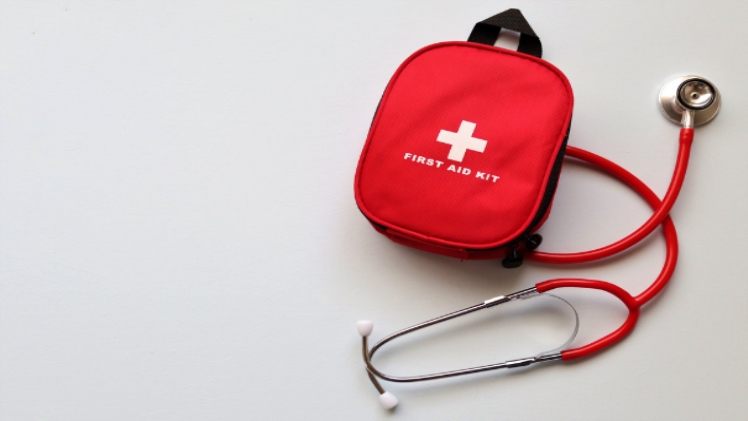
Medical kit for home in Canada is necessary in the given time, the importance of having a well-designed medical kit cannot be overstated. However, if it’s a little bit injury, sudden illness, or an emergency condition, having the right supplies at hand can make a distant difference in providing timely care. This holds particularly true for households in Canada, where unique conditions and environmental factors may necessitate specific items in medical kits for home Canada.
Understanding the Unique Needs in Canada
Canada’s diverse climate and geography pose specific challenges, making it imperative for residents to tailor their medical kits accordingly. From extreme cold temperatures to the vast wilderness, being prepared for any situation is key. This article explores the essential components needed in a home medical kit to ensure Canadians are ready for whatever comes their way. Also, it’s important to get CPR training Oakville to be ready for these adversities, either at home or while hiking around Canada.
Essential Items to Include in a Home Medical Kit in Canada
Medications and Prescriptions
Start by including necessary medications and prescriptions for all family members. Ensure they are stored properly and within their expiry dates. In cold climates, it’s crucial to prevent medications from freezing.
First Aid Supplies
A well-stocked first aid kit is fundamental. Include bandages, antiseptic wipes, pain relievers, and any specific items related to family members’ health needs. Consider items like epinephrine injectors for allergies or asthma inhalers. Ensuring preparedness for every situation in Canada involves having comprehensive medical kits for home, stocked with essential first aid supplies, like those provided by Ikigai Cases.
Emergency Contact Information
Have a list of emergency contact numbers, including local hospitals, poison control, and family doctors. Include any pertinent health information such as allergies or existing medical conditions.
Tips for Maintaining a Medical Kit in Canada
Keeping your medical kit organized is as important as its contents. Regularly check and update supplies, disposing of expired medications and replenishing used items. Ensure everyone in the household knows the kit’s location.
Recommended Medical Kits for Different Household Sizes
The ideal medical kit can vary based on the size and composition of the household. Tailor your kit to the specific needs of children, seniors, or individuals with chronic health conditions. Ready-made kits are available for various family sizes.
Purchasing Options and Considerations
When selecting or building a first aid kit, Suppose factors such as portability, durability, and way of use. Many pre-made kits are available for sale, or you can customize your own based on family needs.
How to Customize a Medical Kit for Home
Individuals with chronic health conditions should customize their medical kits accordingly. Include specific medications, medical devices, and relevant information about managing their condition during emergencies.
The Role of Technology in Modern Medical Kits
Advancements in technology have influenced medical kits, with the inclusion of items like digital thermometers, pulse oximeters, and health monitoring apps. Explore these technological additions to enhance your home medical preparedness.
First Aid Kits for Home: Daily Used Medical Kit
First aid kits for home is compulsory for us. In the busy routine of daily life, emergencies can strike at every single move. That is the reason having a well-equipped first aid kit at home is not just a precaution; it’s a necessity. In this article, we’ll delve into the complications of assembling the best first aid kit for your home. It covers everything from important components to specific protection for different situations.
Importance of First Aid Kits at Home
Before we dive into the specifics, I want you to understand why having a first aid kit or medical kit at home is crucial. Accidents happen when least probabilities, and having the right equipment and supplies readily available can make a clear difference in the outcome.
Understanding the Basics of Medical Kit at Home
What Constitutes a Comprehensive First Aid Kit?
A comprehensive first aid kit goes beyond just band-aids and pain relievers. It should include a variety of items to address different types of injuries and emergencies. Let’s explore what makes a well-rounded kit.
Tailoring Kits to Individual Needs
Every household is unique, and so should be its first aid kit. Consider the specific needs of your family members, including any known allergies or chronic conditions, when putting together your kit.
Essential Components of First Aid Kit
Bandages and Dressings
The foundation of any first aid kit is a selection of bandages and dressings. From adhesive bandages for minor cuts to sterile gauze for more significant injuries, these items are the frontline defense against infection.
Antiseptics and Cleaning Agents
Cleanliness is necessary in wound care. It includes antiseptic wipes, hydrogen peroxide, or a good antiseptic solution that can help prevent you from infections and ensure proper healing.
Medications
A basic medical supply of over-the-counter medications like pain relievers, antihistamines, and anti-inflammatory drugs can show common ailments and allergies.
Emergency Tools
With the basic medical supplies, don’t forget emergency tools like scissors, tweezers, and a thermometer. These items can be invaluable in various circumctances.
Basic First Aid Training at Home
Having a first aid kit is really essential, but knowing how to use it is equally important. We’ll provide simple training tips for basic first aid procedures at home.
First Aid Kit at Home for Common Injuries
Cuts and Bruises
Simple injuries like cuts and bruises are common. We’ll guide you through the proper first aid steps to promote quick healing.
Burns and Scalds
Burns and scalds require special care. Discover the right approach to treating these injuries at home.
Sprains and Strains
Musculoskeletal injuries can happen at any time. Learn how to provide initial care for sprains and strains until professional help is available.
Conclusion
In conclusion, having a well-thought-out medical kit at home is a vital aspect of ensuring the health and safety of your loved ones. By customizing your kit to your family’s specific needs and staying informed about advancements in medical technology, you can be better prepared for any situation life throws your way.
FAQs About Medical Kit for Home
How often should I update my home medical kit?
- Regularly check and update your medical kit every six months, disposing of expired medications and replacing used supplies.
Are there specific items I should include for children in the medical kit?
- Yes, consider adding items such as pediatric pain relievers, child-friendly bandages, and any necessary medications for common childhood ailments.
Do I need Medical kit for home?
- It’s advisable to have a basic first aid manual in your kit, providing guidance on how to handle common injuries and emergencies.
How can I educate my family on using the medical kit?
- Consider taking a basic first aid and CPR course as a family. This not only educates everyone but also fosters a sense of confidence in handling emergencies.
