

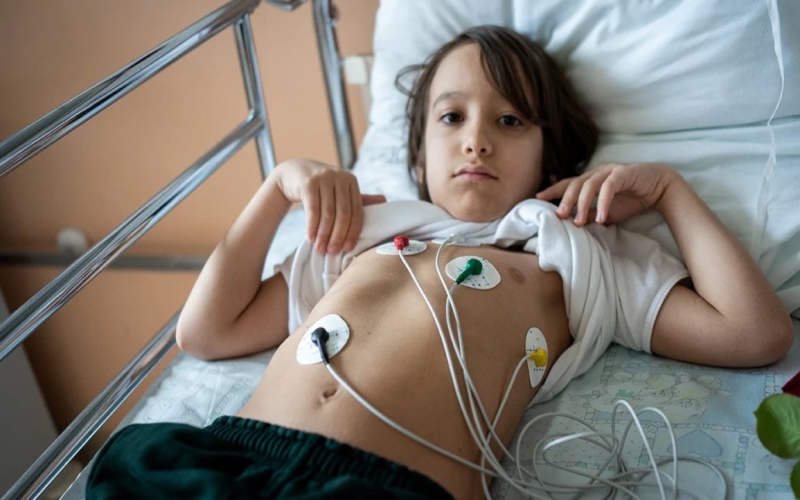
Doctors, nurses, and emergency responders get training to follow special steps if a child’s heart rate gets too low. These steps are the PALS bradycardia algorithm. The bradycardia algorithm tells rescuers exactly what to check and what treatments to try step-by-step. Following the algorithm carefully gives the child the best chance of getting their heart rate back up to a normal level. Keep reading to know what to do if a child’s heart beats slowly.
What Is Bradycardia?
Bradycardia is a heart condition where a person’s heart rate is slower than normal. Sometimes children can have bradycardia where their heart doesn’t beat fast enough. A very slow heart rate can be dangerous because not enough blood is being pumped around the body.
Why Is Bradycardia Dangerous?
Bradycardia is dangerous because with a very slow heart rate, the body doesn’t get enough oxygenated blood circulating. This lack of blood flow can potentially cause:
- Brain damage from lack of oxygen
- Organ failure
- Cardiac arrest if the heart stops completely
That’s why it’s so important to recognize the signs of bradycardia and treat it quickly before the child’s condition deteriorates. Left untreated, bradycardia deprives the body of the oxygen-rich blood it needs to survive.
The bradycardia algorithm tells rescuers exactly what to check and what treatments to try step-by-step. Following the algorithm carefully gives the child the best chance of getting their heart rate back up to a normal level to restore blood flow and oxygen delivery.
Even though it’s designed for medical professionals, the basic parts of the bradycardia algorithm are good for anyone to know. That way you can recognize when a child needs emergency help for a dangerously slow heart rate.
How Do Professionals Check for Bradycardia?
The very first thing in the algorithm is to check if the child is showing any signs of bradycardia. You can do this by feeling for a pulse and counting how many times the heart beats in 60 seconds.
A normal resting heart rate depends on the child’s age. For babies, it should be around 100-160 beats per minute. For older kids, the normal rate is 60-100 beats per minute.
If the child’s heart rate is much slower than that normal range for their age, it could be bradycardia. Other signs include:
- Dizziness or feeling lightheaded
- Shortness of breath
- Chest pains
- Pale or bluish skin color
- Fatigue or acting very sluggish
If the child seems unconscious, you should also check if they are breathing normally. No breathing or just gasping for air is an emergency.
How To Identify the Cause?
Once you’ve determined the child has bradycardia, the next step is to try to identify what might be causing the slow heart rate. Here are a few causes-
- Hypoxia – This means there is not enough oxygen getting to the heart and brain. It could be from choking, severe asthma, injury or other breathing issues.
- Hypothermia – When the body gets too cold, below about 95°F, it can drastically slow the heart rate down.
- Toxic Ingestion – Swallowing certain medications, drugs, chemicals or toxic substances can poison the body and disrupt the heart’s electrical signals.
- Sick Sinus Syndrome – This is when the natural pacemaker of the heart isn’t working correctly, causing arrhythmias or bradycardia.
- Head Injury – Serious blows or trauma to the head can sometimes injure the part of the brain that controls the heart rate.
Identifying the potential cause helps guide what specific treatments to try next in the bradycardia algorithm.
Why is Opening The Airway Important?
No matter what caused the bradycardia, one of the first actions in the algorithm is to open and protect the child’s airway. This means tilting the head back and lifting the chin to allow air to flow freely.
If the child is unconscious but still breathing, you may need to clear the mouth and nose of any vomit, blood, or objects that could be blocking the airway.
You also want to make sure the child is laying flat on their back in a position where the chest can fully expand when breathing. Loosen any tight clothing around the neck as well.
Ensuring the child can take full breaths is crucial since low oxygen levels are a common contributor to bradycardia. Once the airway is open, you may need to assist with rescue breaths or use a bag valve mask.
What Are Chest Compressions?
If the child shows no signs of life like breathing, coughing or movement, the next step is to start chest compressions immediately to pump the blood.
The compressions are similar to CPR but have a different rhythm for bradycardia cases. You give 1 breath every 3-5 seconds, with continuous compressions at a rate of 100-120 per minute.
Chest compressions help increase the flow of oxygenated blood to the heart and brain while the underlying cause is being treated. They buy precious time until more advanced care can restart the heart fully.
How Are Medications Used?
While doing rescue breaths and compressions, the PALS bradycardia algorithm also calls for giving certain emergency medications if they are available. Epinephrine is usually the first medication tried. It’s a hormone that helps stimulate the heart to beat faster and harder. Doctors may also use other medications like atropine if a heart block or sick sinus syndrome is causing bradycardia by disrupting the heart’s electrical signals.
Healthcare providers need to carefully dose these very potent medications based on the child’s age, weight, and vital signs. Trained professionals who know the protocol should be the only ones to give them.
Conclusion
The PALS bradycardia algorithm has a lot of complicated steps, but it gives every child the best chance at survival and full recovery. Recognizing and treating dangerously slow heart rates quickly is so important. But if you do find yourself in that situation, remaining calm and following the standard algorithm could make all the difference for a child in crisis.
