

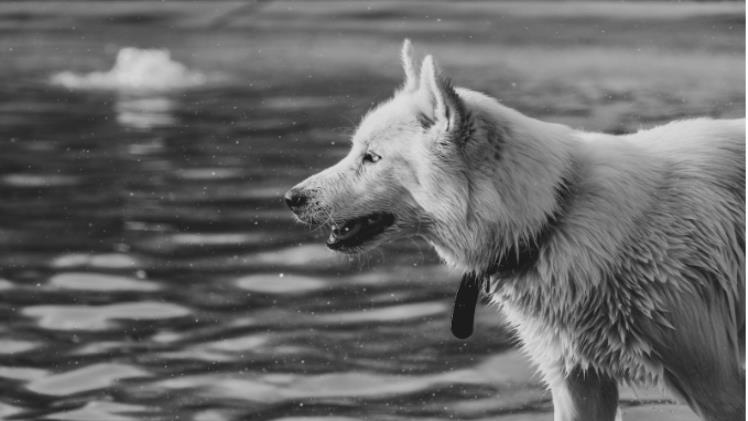
Selecting the right collar for your canine companion goes beyond aesthetics – it involves considerations like comfort, safety, and functionality. Professional dog handlers and trainers often weigh in on the debate over the best style of collar for different breeds and sizes of dogs. One popular material gaining attention in recent times is neoprene, known for its durability and versatility.
Understanding Different Collar Styles:
1. Flat Collars:
Flat collars are the most common and basic option. They come in various materials, from nylon to leather. Professionals often recommend these for everyday use and basic training, especially for dogs who don’t pull excessively.
2. Martingale Collars:
Popular among breeds with smaller heads, like Greyhounds, martingale collars tighten slightly when pulled but won’t choke the dog. This design prevents dogs from slipping out of the collar, making it a favorite among trainers for its safety features.
3. Choke Collars:
Often misused, choke collars can cause harm if not used correctly. Professionals advise caution, recommending them only for experienced dog training personnel who understand the appropriate way to apply pressure without causing injury.
4. Prong Collars:
Prong collars, with their metal spikes, are controversial. While some trainers argue that they can be effective for controlling strong, large dogs, others believe they can lead to aggression and fear.
Neoprene Dog Collars:

Neoprene, a synthetic rubber known for its resilience and water resistance, has found its way into the world of dog collars. Designed with the aim of providing ultimate comfort for the dogs, the neoprene dog collar offer several benefits:
1. Comfort:
Neoprene is soft and flexible, providing a comfortable fit for your dog. This is particularly advantageous for breeds with sensitive skin or those prone to irritation from other materials.
2. Durability:
Known for its robust nature, neoprene withstands wear and tear, making it an excellent choice for dogs that love outdoor adventures. It’s resistant to water, mud, and odors, ensuring the collar remains in good condition over time.
3. Style:
Neoprene collars often come in vibrant colors and patterns, allowing pet owners to express their dog’s personality. This stylish element adds a touch of flair to the practical aspects of the collar.
4. Versatility:
Whether your dog is a swimmer, a runner, or simply enjoys rolling in the mud, neoprene collars are versatile enough to accommodate various activities. They dry quickly and are easy to clean, making them a hassle-free option for active dogs.
Professional Opinions
Professional dog trainers and handlers emphasize the importance of choosing a collar based on the individual needs and temperament of the dog. Positive reinforcement techniques, coupled with the right choice of collar, are often considered key components of effective training.
While opinions on specific collars may vary, there is a growing consensus among professionals that focusing on humane and positive training methods is crucial. When it comes to neoprene collars, their popularity is on the rise due to the combination of comfort, durability, and style they offer.
Conclusion:
Selecting the best collar for your dog involves careful consideration of various factors, including the dog’s size, temperament, and specific needs. Neoprene collars stand out as a practical and stylish choice, endorsed by professionals for their comfort, durability, and versatility in meeting the demands of an active canine lifestyle.
